Can Early Childhood Education in Australia Transform Learning Experiences?

Exploring Educational Foundations
Overview of Australian Early Education
Australia's early childhood education is more than just foundational—it's an adventure filled with creativity and exploration. As I stroll through the interactive exhibits at the Sciencentre in Brisbane, I'm reminded of how play-based learning encourages curiosity in young minds. Early educators in Australia focus on fostering an environment where children engage in creative problem-solving and hands-on activities that nurture their developmental milestones. This playful approach ensures that kids not only learn essential skills but also develop a love for learning and creativity.
Key Educational Philosophies
Australian early education embraces various philosophies like Reggio Emilia and Montessori, which emphasise child-led exploration and creative environments. These philosophies aim to cultivate independent thinking and self-motivated learners. As you dive into a diploma of community services, you will discover how such philosophies intersect with broader community needs, providing an inclusive atmosphere for children to prosper. Incorporating such educational philosophies in early childhood settings fosters holistic growth while aligning with community values.
The Role of Technology
Incorporating technology in early education doesn't mean replacing traditional learning; instead, it's about enhancing experiences. From digital storybooks to interactive apps, technology bridges the gap between learning and play. For those planning to venture into aged care courses, understanding this blend of tech and education can provide insights into creating supportive environments for all ages. With Brisbane landmarks like the Queensland Museum setting the standard for educational programs, tech-enhanced learning becomes an integral part of Australia's early education landscape, imparting lifelong skills for future journeys.
Developmental Benefits of Early Education
Cognitive Skills Advancement
As an early childhood educator, you already know how crucial the early years are for a child's cognitive development. One exciting avenue to explore is community services courses that focus on nurturing young minds. In these courses, children engage in activities that stimulate memory, attention, and problem-solving skills. You can incorporate creative lesson ideas that capture their imagination, like interactive storytelling or puzzle-solving expeditions inspired by exhibits at the Queensland Museum. These activities help children develop a keen ability to think critically and creatively.
Social and Emotional Growth
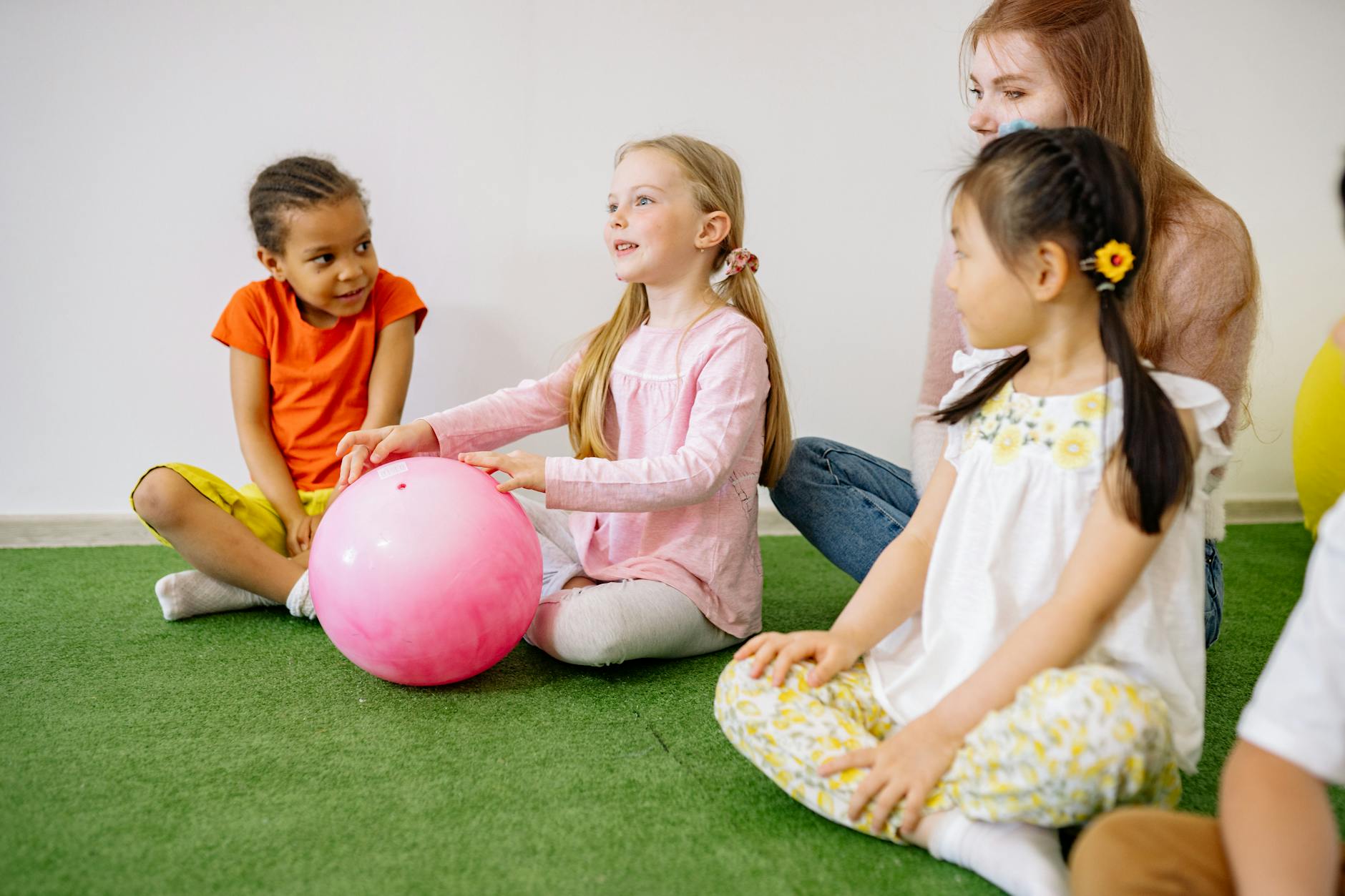
Building a strong foundation in emotional and social skills is essential for young learners. child care courses often emphasize methods to foster empathy and social interactions among children. Such courses encourage positive play and sharing activities that cultivate teamwork and friendship. Consider organising a mini-community event at New Farm Park where children can interact with peers, practising communication and emotional understanding. These interactions are invaluable as they shape how children perceive themselves and others, deeply impacting their future relationships.
Preparing for Formal Schooling
Preparing children for formal schooling involves more than just academic readiness. It's about equipping them with the emotional and social tools they'll need to thrive. Through a well-rounded curriculum informed by both community services and child care courses, children are better positioned to transition smoothly into school life. By incorporating engaging and age-appropriate activities, educators can ensure children are enthusiastic and confident as they embark on their educational journey.
Innovative Teaching Methods
Interactive Learning Techniques
When it comes to making learning both engaging and effective, interactive learning techniques play a pivotal role. Running parallel to the energy of the interactive exhibits at the Sciencentre, these methods invite young minds to explore with enthusiasm and curiosity. Techniques such as hands-on projects, role-playing, and educational games captivate children’s attention and facilitate experiential learning. In my experience, organising workshops around topics like robotics or nature not only boosts imagination but also fosters critical thinking skills.
Integration of STEM Activities
Incorporating STEM activities into early childhood education is essential for nurturing future innovators. Much like the Queensland Museum's educational programs, these activities encourage exploration and experimentation. I’ve discovered that simple exercises like building structures with blocks or experimenting with water and sand can light up a child's interest in science, technology, engineering, and mathematics. Additionally, pairing these activities with storytelling can enrich the learning experience and make complex concepts relatable.
Personalized Learning Approaches
Personalized learning provides a customised education path that resonates with each child. Echoing the vibrant community events at New Farm Park, where diverse activities cater to different interests, tailoring lessons to individual needs can significantly impact learning outcomes. Some learners might thrive through visual aids, while others excel in auditory or kinesthetic environments. Creating unique lesson plans ensures that every child remains motivated and excited about their educational journey. Exploring options like a cert 3 in individual support or mental health courses can also be beneficial for educators, offering strategies to accommodate every student’s needs effectively.
Challenges and Opportunities
Addressing Diverse Learning Needs
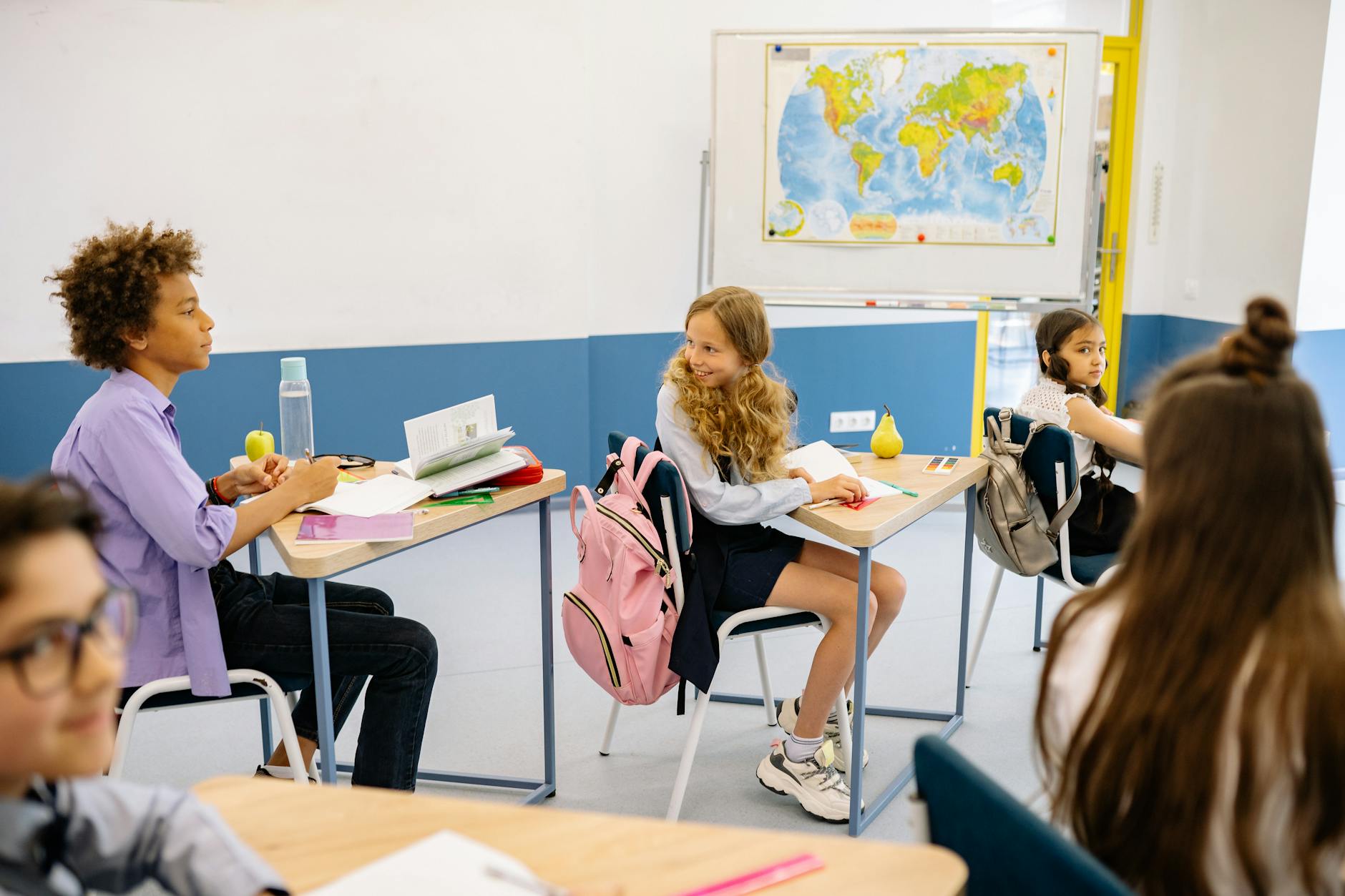
Navigating the landscape of early childhood education can be quite a dynamic journey, especially when thinking about meeting the diverse learning needs of young learners. In my experience, understanding each child's unique style often shapes the classroom into a vibrant tapestry of learning styles. An effective aged care training program can also serve as an inspiration, focusing on inclusivity and tailored approaches to meet various needs. This is all about recognising the individuality and cultural backgrounds that influence learning—which is important when teaching in Australia's multicultural context.
Overcoming Resource Limitations
Finding creative ways to overcome resource limitations is essential for ensuring that every child has access to a rich learning experience. I enjoy designing activities that require minimal materials but maximise engagement, like turning simple household items into teaching tools. Consider leveraging local educational programs, like those at the Queensland Museum, where a visit can spark curiosity and learning with minimal cost. By thinking outside the box, educators can find ways to provide enriching experiences even when resources are limited.
Opportunities for Technological Integration
With advancements in technology, we have marvelous opportunities to enhance learning experiences through tools that can be seamlessly woven into the curriculum. From interactive whiteboards to educational apps, these tools can support imaginative teaching methods and engage kids in exciting new ways. Offering a diploma in early childhood education with a focus on technology could empower educators to effectively incorporate digital tools, aligning with innovative teaching trends seen in interactive exhibits at the Sciencentre. By embracing technology, we open doors to innovative learning landscapes.
Best Practices
Parental Involvement Motivation
In Brisbane's sunshine, early childhood educators can really spark curiosity by weaving parents into the learning tapestry. Imagine coordinating a Saturday morning at New Farm Park where children and parents team up to explore nature, crafting bird feeders from recycled materials. When parents see learning through the lens of creative play, its power amps up! One idea is to integrate interactive learning for 4 year olds sessions hosted by the Queensland Museum, where kids tackle scavenger hunts while parents witness firsthand the blend of discovery and play. Encouraging monthly 'Show and Tell' sessions at home can also turn curious tots into confident storytellers, deepening the bond between family life and classroom exploration.
Teacher Training Evolution
Brisbane's vibrant learning community thrives on continuous improvement, echoing the joyous workshops held within the interactive exhibits at the Sciencentre. To stay nimble in an ever-changing educational landscape, educators can participate in workshops centred around storytelling and play-based learning. Picture a lively gathering where teachers explore tools that transform everyday moments into magical lessons. Emphasising hands-on experiences keeps the teaching approach fresh, while creative brain-breaking sessions invite teachers to infuse passion into everything from mathematics to financial literacy. As educators juggle resources like Lego and digital storytelling, they empower children to turn routine lessons into vibrant adventures.
Community Resource Integration
Why not take advantage of Brisbane's treasure trove of community gems? Encouraging frequent trips to the Sciencentre or community workshops at New Farm Park can transform learning from static to dynamic. Envision a day where children interact with life-sized puzzles or construct water filters in little science troughs. By utilising these experiential learning avenues, educators create a network of enriched experiences beyond the classroom walls. Collaborating with library reading programs and art exhibits can turn any educator into a play architect, cultivating lifelong learners enthusiastic in exploring the rich and diverse tapestry that Brisbane has to offer.